Kleurboek
A print-ready coloring book of fifty plates, with an own workflow that turns AI drawings into clean lines and inspects every plate.
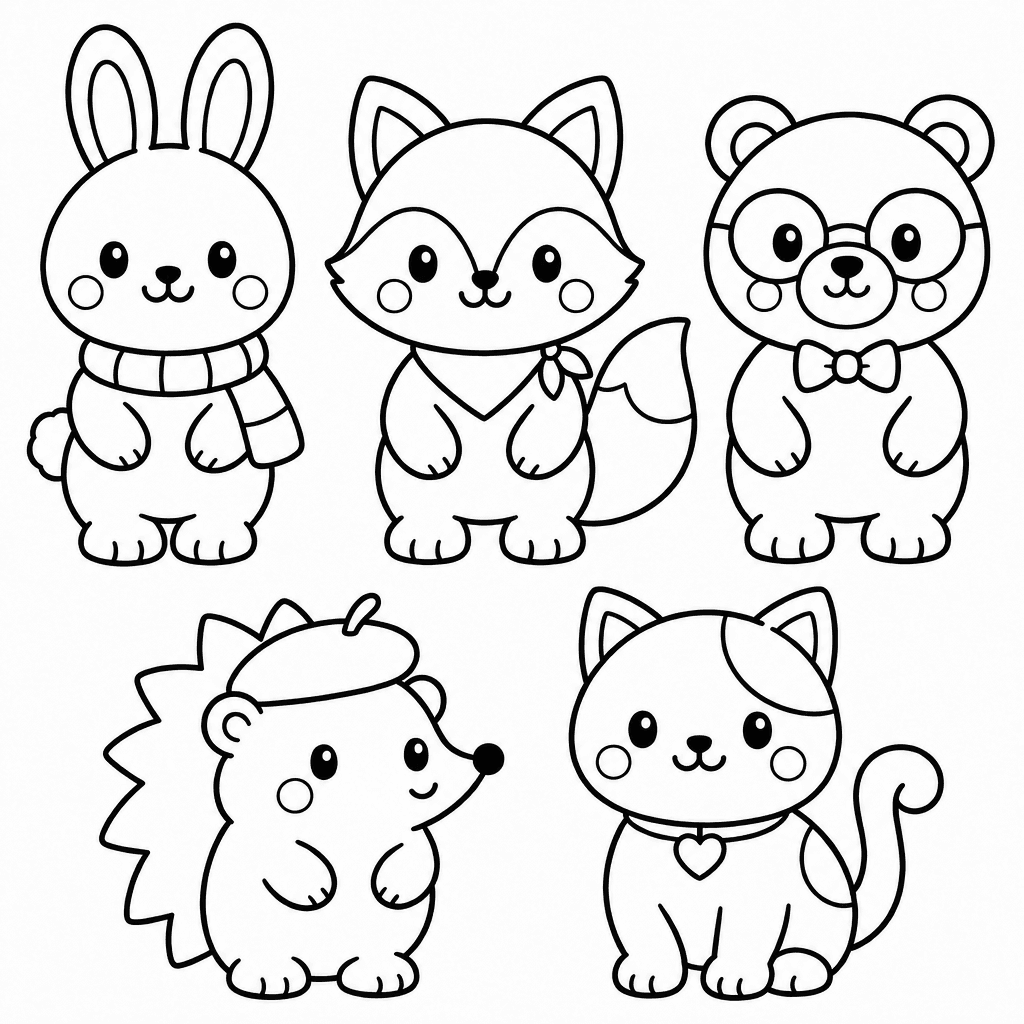
Who it is for
Readers who like calm, cozy coloring pages, via Amazon and a Dutch edition.
The problem
Selling a coloring book takes more than nice pictures. AI coloring books are rightly criticised for grey pixels, solid black areas, tiny details and drawings that run into the page edge, and Amazon has strict rules for the interior and the cover.
What I built
I built a workflow that creates the drawings, cleans them up and turns them into vector lines at real print size. Every plate is inspected automatically, and then the interior, the cover and the sales images are built, each with its own check before it goes to the printer.
What it delivers
Fifty plates with the same five characters, recognisable every time.
No grey pixels and no solid areas: everything prints as clean lines.
A Dutch edition from the same plates, without drawing anything again.
Under the hood
Automatic inspection per plate: line weight, regions that are too small and shapes that float free.
A cleanup step from raw image to vector lines at print size.
Own checks for interior and cover, tested with deliberately broken files.
The hardest part
The characters had to look the same on all fifty plates. Every request therefore came with a fixed reference sheet, and I adjusted the requests based on test failures, such as a hedgehog without a snout or a cat without whiskers.
Screens
Built with
- Python
- OpenCV
- scikit-image
- potrace
- PyMuPDF
- OpenAI Image API